
Famous Tiger Name Generator
Find the perfect name that matches personality, mood, and style.
Some tigers become famous because of their unusual appearance, remarkable survival, or role in wildlife conservation. Their names become familiar to people who follow wildlife documentaries and conservation news. From Machli, the celebrated tigress of India’s Ranthambore National Park, to T12, the unusually dark-coated tiger from Similipal, each animal has a story worth learning about.
This guide explores famous real tiger names and the information documented about the animals behind them. You’ll also find creative naming inspiration based on their stories, while keeping confirmed facts separate from imaginative ideas.
Why Some Tigers Become Famous
A tiger can become well known for many reasons. Its distinctive markings, behavior, long life, or connection to a wildlife reserve may attract attention from researchers, photographers, and nature enthusiasts. Some tigers also become important symbols in conservation stories.
Wildlife researchers and forest officials often identify individual tigers through photographs, physical markings, tracking records, and identification codes. Names can make these animals easier for the public to recognize, while codes help professionals maintain accurate records.
Machli became famous through her remarkable life in Ranthambore, while T12 attracted attention because of an unusual coat pattern linked to a rare genetic variation. Their stories show how individual tigers can become recognizable for very different reasons.
Famous Real Tigers and Their Stories
The following real tiger names come from published wildlife reporting and tiger-reference material. Some animals have detailed documented histories, while information about others is more limited. Where a name’s meaning or origin has not been confirmed, this article avoids presenting guesses as facts.
1. Machli: The Queen of Ranthambore
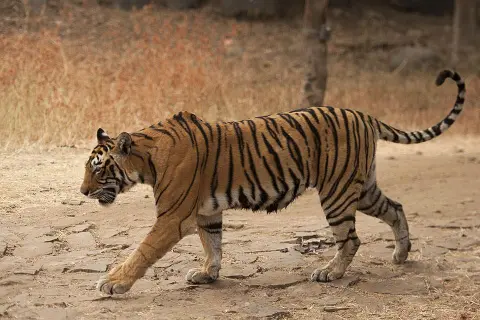
Machli was one of India’s best-known Bengal tigresses. She lived in Ranthambore National Park in Rajasthan and became famous for her distinctive facial markings, encounters with other wildlife, and long life in the wild.
She died in August 2016 at approximately 19 years old. Her life received attention from wildlife publications and photographers, making her one of the most recognizable individual tigers associated with Ranthambore.
Her name is commonly explained as the Hindi word for fish. This explanation is connected to a fish-like marking on her face. It is a good example of how an animal’s visible features can become part of its identity.
Naming inspiration: Machli could inspire a fictional tiger character associated with distinctive markings, resilience, or water. These are creative ideas based on her documented story, not additional claims about the real tigress.
2. Sita: A Tigress Documented in Bandhavgarh
Sita was a tigress observed in Bandhavgarh National Park in Madhya Pradesh, India. A National Geographic account published in 1997 describes encounters with Sita and records aspects of her life as a mother raising cubs in the wild.
Her story offers a glimpse into the lives of wild tigers and the importance of long-term wildlife observation. Following an individual animal over time can help people understand its behavior, family life, and place within its natural environment.
The cited account does not establish why this particular tigress was given the name Sita. It is best to avoid claiming a confirmed naming story without additional evidence.
Naming inspiration: Sita could be considered for a fictional character in a story about family, wildlife, or the natural world. Keep the creative interpretation separate from the documented history of the real tigress.
3. T12: The Unusually Dark-Coated Tiger
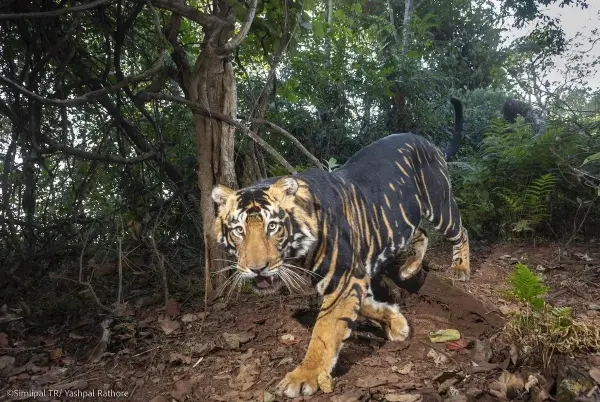
T12 is a male tiger documented in Similipal Tiger Reserve in Odisha, India. He attracted attention because of a rare genetic variation known as pseudo-melanism. This variation produces unusually broad black stripes, making the tiger’s coat appear much darker than that of a typical tiger.
National Geographic has reported on T12 and the conservation concerns surrounding the tiger population in Similipal. The reporting also discusses limited genetic diversity in the reserve’s tiger population.
Unlike Machli and Sita, T12 is an identification code rather than a conventional personal name. It demonstrates how wildlife teams use codes to distinguish individual animals and keep track of them during research and monitoring.
Naming inspiration: T12 could inspire a fictional tiger associated with mystery, dark patterns, science, or a futuristic setting. His unusual coat is a natural genetic variation, not evidence that he belongs to a separate tiger species.
4. Jamuna: Part of a Tiger Conservation Effort
Jamuna is a tigress discussed in National Geographic reporting about efforts to improve genetic diversity among tigers in Similipal. She was moved from the Tadoba region to Similipal as part of a conservation program intended to introduce genetic variation into the isolated tiger population.
Her story highlights an important part of wildlife management. Moving a wild animal between protected areas involves planning, monitoring, and careful attention to how the animal adapts to its new surroundings.
The success of a relocation cannot be assumed in advance. Wildlife officials need to observe the animal and collect information about its movements and adaptation.
Naming inspiration: Jamuna may suit a fictional wildlife character connected with travel, a new environment, or conservation. These are creative associations, not verified explanations of the real tigress’s name.
5. Zeenat: A Tigress Introduced to Similipal
Zeenat is another tigress featured in reporting about the Similipal conservation program. She was transferred from the Tadoba region as part of efforts to improve genetic diversity in the reserve’s tiger population.
Reports describe her acclimation and the monitoring carried out by wildlife officials. Her story shows that conservation work continues after an animal reaches a new protected area. Teams need to follow its movements and assess how it adjusts to the new environment.
Naming inspiration: Zeenat could be used for a fictional character connected with adaptation, exploration, or wildlife protection. This is a creative suggestion rather than a confirmed explanation of the real tigress’s name.
6. Riddhi: A Named Tiger in Ranthambore
Riddhi appears in published tiger-reference material for Ranthambore. The Ranthambore tiger listing identifies this animal as T-124, connecting the name with an individually identified tiger.
The available listing supports the connection between Riddhi and a specific animal. However, it does not provide enough information to establish a detailed personal history or confirm why the name was chosen.
This distinction matters when writing about real wildlife. A recorded name does not automatically come with a documented meaning or origin.
Naming inspiration: Riddhi may provide a starting point for a fictional tiger character. Before publishing a linguistic meaning or cultural explanation for the name, check it against a reliable source.
Quick Reference: Names of Documented Real Tigers
This table brings together the names discussed in this article. It separates documented information from details that remain unconfirmed.
| Name (pronunciation) | Documented note | Location | Gender |
|---|---|---|---|
| Machli (MAACH-lee, approximate) | Commonly linked to a fish-like facial marking | Ranthambore, India | Female |
| Sita (SEE-ta, approximate) | Documented as a tigress raising cubs | Bandhavgarh, India | Female |
| T12 (tee-twelve) | Identification code; unusually broad black stripes | Similipal, India | Male |
| Jamuna (juh-MOO-na, approximate) | Transferred from Tadoba to Similipal | India | Female |
| Zeenat (zay-NAHT, approximate) | Transferred from Tadoba to Similipal | India | Female |
| Riddhi (pronunciation [VERIFY]) | Listed as Ranthambore tiger T-124 | Ranthambore, India | [VERIFY] |
| Siddhi (pronunciation [VERIFY]) | Listed in Ranthambore tiger-reference material | Ranthambore, India | [VERIFY] |
| Noor (pronunciation [VERIFY]) | Listed in Ranthambore tiger-reference material | Ranthambore, India | [VERIFY] |
The available references do not confirm the meanings or origins of every name in this table. It’s better to leave those details unknown than to publish an unsupported explanation.
What Makes a Tiger’s Name Memorable?
A memorable tiger name often has a connection to the animal’s appearance, story, or natural environment. Machli’s name is associated with a distinctive facial marking, while T12’s identification code helps researchers distinguish him in conservation reporting.
If you’re creating a name inspired by a real tiger, consider these three points:
- Connection: Does the name relate to a genuine feature, location, or documented story?
- Clarity: Is it easy for readers to spell, pronounce, and remember?
- Accuracy: Can you support the name’s meaning or origin with a reliable reference?
Creative interpretations are perfectly suitable for fictional characters and naming projects. Just make sure readers can tell the difference between an imaginative idea and a historical fact.
Using Real Tiger Stories for Creative Naming
Real tiger stories can provide inspiration for fictional characters, wildlife-themed projects, classroom activities, and creative writing. You can take an idea from an animal’s appearance or documented history without copying its identity or inventing details about its life.
For example, Machli’s distinctive facial marking could inspire a fictional tiger with a name connected to patterns or water. T12’s unusual coat could provide inspiration for a character associated with shadows, mystery, or science.
These are creative directions, not the confirmed meanings of the real tigers’ names.
If you’re looking for a wider selection of ideas rather than documented real animals, visit our Tiger Names collection. It covers a broader range of fierce, cute, funny, and unique names.
Tigers, Wildlife Research, and Conservation
Identifying individual tigers helps researchers and wildlife officials follow animals over time. Photographs, physical markings, tracking records, and identification codes can help teams study movements and understand changes in tiger populations.
The story of T12 also shows why monitoring matters beyond an animal’s appearance. Reporting about Similipal has discussed concerns about limited genetic diversity and conservation efforts intended to improve the population’s genetic variation.
Tiger conservation involves much more than following individual animals. Protecting natural habitats, reducing poaching, and maintaining suitable connected landscapes are all important parts of protecting wild tiger populations.
A famous tiger may attract public interest, but the long-term survival of the species depends on continued conservation work.
For further reading, consult established wildlife reporting, including National Geographic’s accounts of Machli and Similipal’s unusual tigers, as well as official Ranthambore tiger-reference material.
Let Real Tiger Stories Inspire Your Next Name
The stories of Machli, Sita, T12, and other documented tigers show why individual animals can become memorable. Some are recognized for distinctive features, while others become part of important wildlife research and conservation efforts. Use reliable records when learning about real tigers, and treat creative interpretations as inspiration rather than established fact. If you’re choosing a name for your own character or project, explore our wider collection of Tiger Names.
Frequently Asked Questions
Who was Machli?
Machli was a famous Bengal tigress that lived in Ranthambore National Park in India. She became widely known for her distinctive facial markings, remarkable survival, and documented encounters with other wildlife. She died in August 2016 at approximately 19 years old.
Why are some real tigers given individual names?
Names help the public recognize individual tigers and follow their stories. Wildlife researchers also use identification codes, photographs, physical markings, and tracking records to distinguish animals and monitor them over time.
What does Machli mean?
Machli is commonly explained as the Hindi word for fish. The name is associated with a fish-like marking on the tigress’s face. This explanation relates specifically to Machli and should not be applied to other tiger names without evidence.
Was T12 a black tiger?
T12 was described as a tiger with a predominantly dark coat caused by pseudo-melanism. This rare genetic variation produces unusually broad black stripes. It does not mean that T12 belonged to a separate tiger species.
Where did Sita live?
Sita was a tigress documented in Bandhavgarh National Park in Madhya Pradesh, India. A National Geographic account published in 1997 describes aspects of her life, including raising cubs in the wild.
Why were Jamuna and Zeenat moved to Similipal?
Jamuna and Zeenat were transferred from the Tadoba region to Similipal as part of a conservation effort intended to improve genetic diversity in the reserve’s tiger population. Their movements and adaptation were monitored by wildlife officials.
Is T12 a tiger’s personal name?
T12 is an identification code used to distinguish an individual tiger in wildlife reporting. Unlike names such as Machli or Sita, it is a tracking-style identifier.
Can I use a famous tiger’s name for a fictional character?
You can use real tiger stories as creative inspiration for fictional characters, stories, and personal projects. Make it clear when your character is fictional, and avoid presenting invented events or unverified name meanings as facts. For commercial branding, check any relevant trademark considerations.
Where can I find reliable information about named tigers?
Look for established wildlife publications, national park and forest department resources, conservation organizations, and research institutions. Compare sources when details differ, and be cautious about websites that repeat claims without providing evidence.
Where can I find more tiger name ideas?
You can explore our Tiger Names collection for a broader selection of powerful, cute, funny, and unique ideas. That article focuses on creative naming, while this guide explores real tigers and their documented stories.